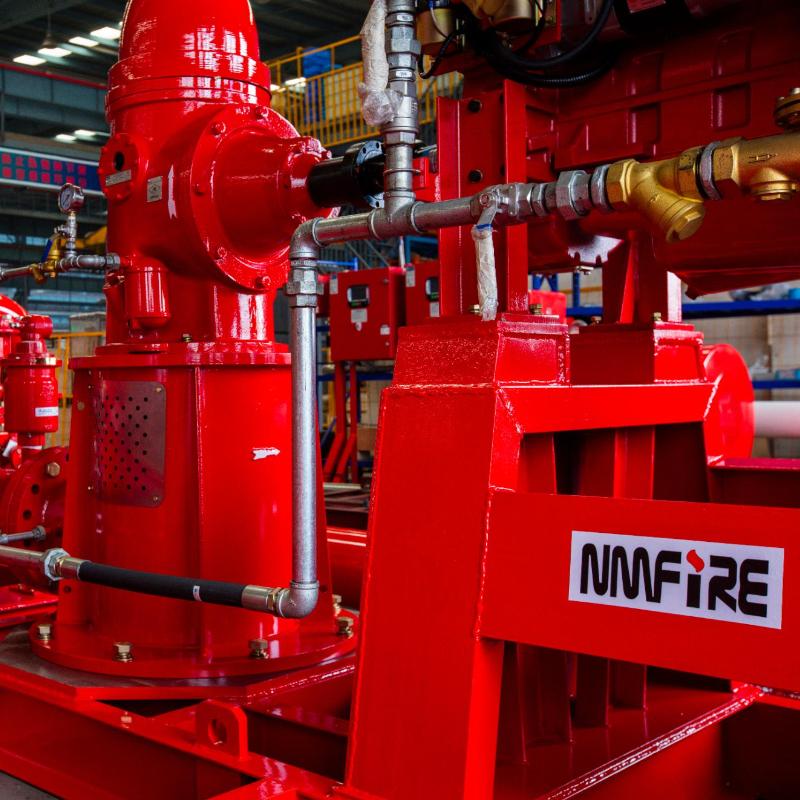
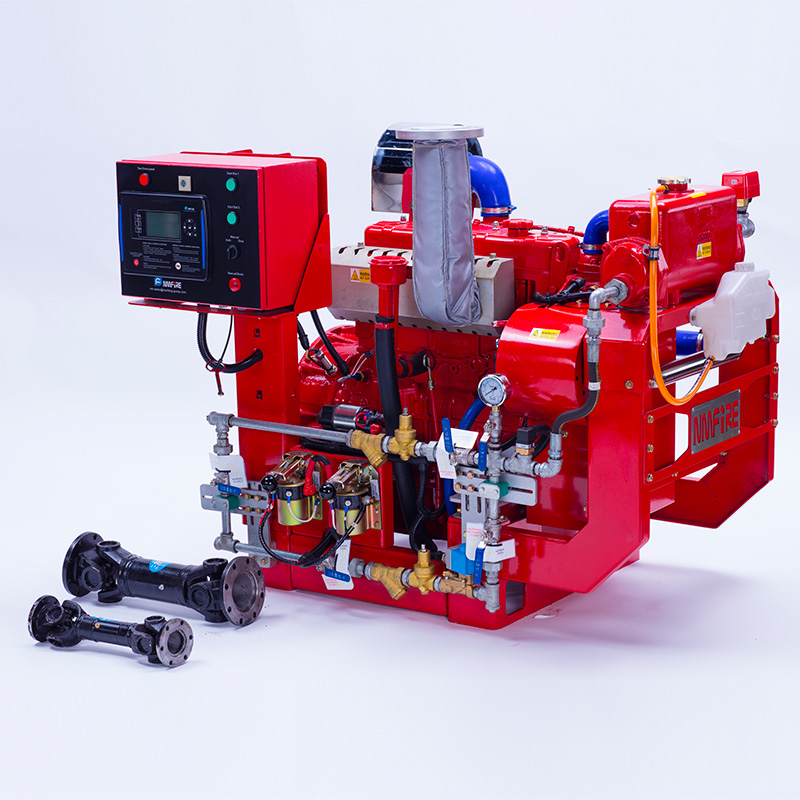
Then look absolutely no further than the hydraulic relief valve if you are searching for a robust and safe means to get a handle on hydraulic pressure in a way, similar to the NMFIRE's product like diesel tank. This innovation in hydraulic technology happens to be ever more popular in the years that are complete to it is efficiency and durability. Our company is going to take a closer look at what hydraulic relief valves are, how they work, what advantages they feature, and how to correctly use them.
A hydraulic relief is truly a safety unit that controls the force inside a hydraulic system allowing fluid to flow through it in the event that force exceeds a preset maximum levels, as well as the hydraulic relief valve innovated by NMFIRE. The valve works by starting the passageway for fluid to flow if the pressure exceeds the set value, allowing excess fluid be redirected back in to the reservoir.
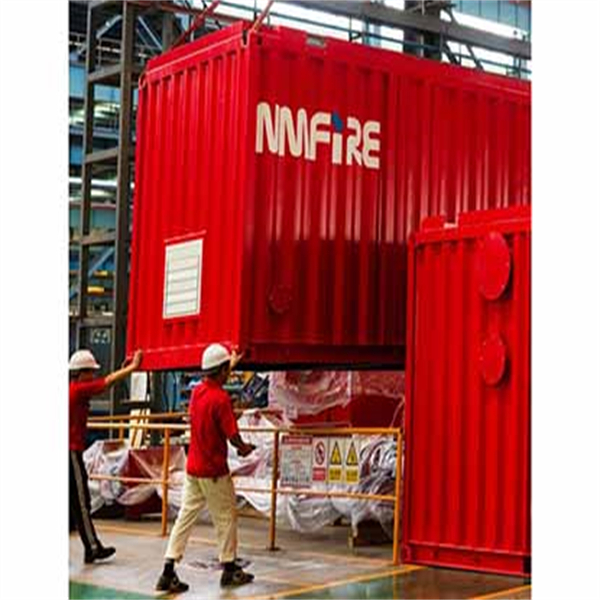
Probably the most significant advantage of a hydraulic relief are safety, the same as NMFIRE's automatic fire suppression system. The valve ensures both the security for the equipment and the people who operate it by regulating and preventing exorbitant pressure buildup into the system. Additionally, by balancing and maintaining the pressure at the levels that are correct the relief valve helps to prolong the life related to hydraulic system.

The hydraulic relief is a prime exemplary case of innovation in hydraulic technology, just like the fire safety inspections developed by NMFIRE. The valve's crucial purpose are to get a grip on safeguard pressure hydraulic device from damage. While simple in design, modern hydraulic relief valves now are presented in different shapes, sizes, and components and are getting to be increasingly efficient and reliable. For instance, some relief valves could have electronic sensors controllers for efficient pressure and operation adjustment.

It is vital to guarantee proper installation maintenance, and operation of hydraulic relief valves to avoid safety and equipment problems, as well as the NMFIRE's oil tank monitor. Always use the size that are proper and make sure to set it up according to manufacturer's specs. Check valve installation sporadically for correct function and cleanliness. Usually do not bypass the relief valve or affect the valve's set pressure. In case you are unsure in regards to the operation that has been proper range of the relief valve, consult your manufacturer's representative.
Hydraulic relief valves is made to become quite functioning simple, similar to the diesel fire pump developed by NMFIRE. They have been typically installed into the hydraulic line will regulate the flow of hydraulic fluid to these devices. In the event that pressure reaches the preset amount, the valve shall start, allowing the fluid to flow back to the reservoir. It is essential to monitor the system pressure to assure proper operation of relief valve. In the event that valve appears to be venting way fluid too much check out the system's pressure settings and think of in the event that valve needs to become adjusted or replaced.
Hydraulic relief valves need regular maintenance ensure they continue to operate correctly and at top efficiency, same with NMFIRE's fire and safety. The valve is examined, cleaned and checked for the correct stress at least once per 12 months. The valve may need to be replaced if it is got worn or been damaged in use. Always pick a high-quality hydraulic relief valve because of the level which was highest of reliability and durability available.
Hydraulic relief valves are used in various techniques that are hydraulic including the ones that are in machinery, vehicles, and airplanes, as well as the oil storage tank supplied by NMFIRE. These systems run on ruthless, and it try essential to take care of the right pressure to ensure the system's smooth prevent and operation equipment failure.

 EN
EN
 EN
EN AR
AR BG
BG HR
HR CS
CS DA
DA NL
NL FI
FI FR
FR DE
DE EL
EL HI
HI IT
IT JA
JA KO
KO NO
NO PL
PL PT
PT RO
RO RU
RU ES
ES SV
SV CA
CA TL
TL IW
IW ID
ID